
"Vietnamese coffee farming"
300 article(s) found

Coffee knowledge sharing in Vietnam
Following Cafe comment (Wechat official account vdailycom) found that Beautiful Caf é opened its own shop Vietnam Coffee knowledge Vietnam's geographical location is conducive to coffee cultivation, southern Vietnam has a hot and humid tropical climate, suitable for growing ROBUSTA coffee, the north is suitable for growing ARABICA coffee. Every coffee bean used in the current production of Saigon Coffee is the best coffee from the Vietnamese plateau.
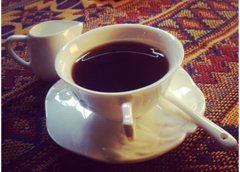
Introduction to Coffee from Coffee producing area-- Fine Coffee from Vietnam the taste of Vietnamese coffee is unique
Today's production power, tomorrow's production giant. Perhaps under the influence of French colonial rule, coffee grown in Vietnam has a French flavor. Arabica coffee was first brought to Vietnam by French missionaries. More than 400,000 coffee trees were introduced to Vietnam from 1865 to 1876 and planted near Tonkin Bay, mostly Java or bourbon varieties. At present, Vietnam's coffee production is increasing.

What are the Vietnamese coffee brands? Vietnamese coffee culture
Follow the caf é (official Wechat account vdailycom) and found that the traditional Vietnamese coffee has opened a small shop of its own. The traditional Vietnamese coffee is drunk with condensed milk. Many of the flavors are very strong, and the milk flavor basically covers the original aroma, sour taste and charred aftertaste of the coffee. And Saigon coffee is slightly different from the traditional Vietnamese coffee, its unique production and processing technology.

Flavor description of Vietnamese Coffee introduction to the taste of grinding scale of varieties produced by the method of production in Vietnam
There are two main kinds of instant coffee in Vietnam: vinacafe (Weina Coffee) and Central Plains G7 coffee. Vina three-in-one instant coffee is produced and exported by Vietnam Bian he Vina Co., Ltd., the market share of Vina coffee in Vietnam has been maintained at more than 45%, in a leading position. At present, Wiener has participated in the China-ASEAN Expo for many years in a row, and some influential exhibitions in the mainland are often
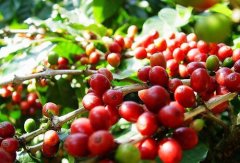
Vietnamese coffee Southeast Asian coffee beans
Boutique coffee beans must be excellent varieties, such as the original bourbon species, mocha species and Tippica species. The coffee beans produced by these trees have unique aroma and flavor, which is far from that of other tree species, but the relative yield is low. in recent years, in order to pursue the ability of disease and insect resistance and increase the yield, there have been many improved tree species, such as the massive promotion of high-yield rurial11 species in Kenya.

A brief introduction to the flavor, taste and aroma characteristics of Vietnamese coffee beans, a big coffee exporter in the world.
At present, coffee production in Vietnam is growing. Among Vietnam's export products, tea ranks first and coffee ranks second. Vietnam's coffee output can be as high as 950 kilograms per hectare, and many newly planted coffee trees are invested by the Japanese. Vietnam's next goal is clearly not just to become the world's second-largest coffee exporter, because it has so many coffee-loving citizens. In

Vietnamese coffee beans grinding scale varieties taste processing method Manor characteristics Introduction
Vietnam's geographical location is very conducive to coffee cultivation, the south of Vietnam has a hot and humid tropical climate, suitable for growing ROBUSTA coffee, and the north is suitable for growing ARABICA coffee. Coffee production in Vietnam has the following characteristics: (1) Since there is no effective method to deal with defoliation, in the early 1980s, medium-grain coffee was selected as the main variety. (2) Cultivation techniques
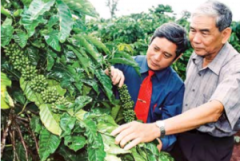
Cultural History of Fine Coffee an introduction to the History of Coffee in Vietnam
Vietnam has several professional coffee kings whose outstanding contributions have enabled Vietnam to grow into the world's second largest coffee producer outside Brazil in recent years. Several other coffee figures who have contributed silently are DoanTrieuNhan, who has been focusing on the growth of national coffee production since the end of the Vietnam War, which can be said to be the main planner of Vietnam's coffee growth plan. DoanTrieuNha

Vietnam egg coffee making method what is Vietnam egg coffee? Vietnam dripping coffee
Professional coffee knowledge exchange more coffee bean information Please follow the coffee workshop (Wechat official account cafe_style) said that in Vietnam, in addition to rice noodles, there is also egg coffee, ah, mentioned Vietnamese specialties, coffee must be included. However, in the eyes of foreign tourists who are familiar with coffee culture, the coffee in this country is unexpectedly different from their familiar black coffee, latte, Cabo, hand brew, ice drop and so on.

Vietnamese coffee knowledge, Vietnamese coffee varieties
Pay attention to coffee reviews (Weixin Official Accounts vdailycom ) and find a good cafe to open your own shop Vietnam coffee knowledge Vietnam's geographical location is very conducive to coffee cultivation. The south of Vietnam has a humid tropical climate, suitable for planting ROBUSTA coffee, and the north is suitable for planting ARABICA coffee. Coffee production in Vietnam has the following characteristics: (1) Due to the lack of effective methods to deal with defoliation, coffee production in Vietnam has become increasingly difficult.

Fragrant and fragrant Vietnamese coffee beans grinding scale production area flavor description taste introduction
Vietnam's geographical location is very favorable for coffee cultivation. Southern Vietnam has a hot and humid tropical climate, which is suitable for growing ROBUSTA coffee, while the north is suitable for growing ARABICA coffee. Coffee production in Vietnam has the following characteristics: (1) because there is no effective way to deal with fallen leaves, medium-grain coffee was selected as the main variety in the early 1980s. (2) take planting technology as

Vietnamese Coffee King declares war on Starbucks
The Vietnamese coffee bean "coffee king" sips tea and scans a table full of guests at a Starbucks store in Lobsang, Switzerland. Deng Li Yuanyu is not tasting coffee because he has his own coffee bean brand in Vietnam. He is observing Starbucks' marketing model, hoping to be inspired to give Vietnamese coffee an international reputation, so that Vietnam can no longer just sell coffee beans. Vietnam is the second largest in the world.

Drink a cup of coffee and listen to a life story.
Deep in the mountains northeast of Hirakawa town in Binchuan, there is a place called Zhu Kula, which is a little-known Yi shanzhai. Due to the inconvenient transportation, Zhu Kula is almost isolated from the world. The villagers went to the market to buy a pig to carry back to raise, but there was no way to sell it when they were raised. During the Cultural Revolution, a young revolutionary came here. Seeing the winding and steep mountain road here, they had to write on the stone wall.

A brief introduction to the planting situation, geographical location, climate and altitude of high-quality coffee beans in Vietnam
Coffee cultivation in Vietnam covers an area of about 500000 hectares, of which 10% are owned by state-owned enterprises and farms, and 85% by farmers and landowners. The scale of the manor is small, usually 2-5 hectares, and the large manor is about 30-50 hectares, but the number is small. Vietnamese coffee ranks second in all agricultural products exported from Vietnam, second only to rice. Every year, about 300000 farmers are engaged in coffee cultivation, with a labor force of 600000.
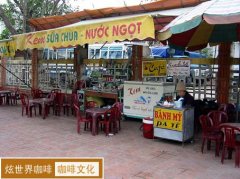
Approaching Vietnam to appreciate Vietnamese Coffee Culture
Vietnam has the second largest coffee production in the world, and most coffee tastes good, coupled with the influence of French leisure culture, so its people's love for coffee is second only to our dependence on tea. Walking on the streets of Vietnam, you can see the traces of colonization, not only the French architecture, but also the habit of drinking coffee, which is inevitable every dozens of meters on the streets of Hanoi.

Vietnamese coffee beans vinacafe Zhongyuan G7 coffee
Vietnamese coffee Vietnamese coffee, aroma is stronger, sour is lighter, taste smooth and moist, mellow slightly bitter, aromatic rich, refreshing, representative products are Central Plains coffee and highland coffee. Product Description Using a modified Vietnamese pot, the coffee beans are extracted in a drip style. And the biggest feature of Vietnamese coffee beans is that they are roasted with special cream, so they will have a strong flavor.

Vietnamese Coffee Bean vinacafe and Central Plains G7 Coffee
Vietnamese coffee, strong flavor, sour taste, smooth and moist taste, mellow slightly bitter, rich aroma, refreshing, representative products are Central Plains Coffee and Highland Coffee. A modified Vietnamese pot is used to extract pure Vietnamese coffee beans by dripping. And the most important feature of Vietnamese coffee beans is baked with special cream, so it will be rich.

Vietnam Coffee Origin, Vietnam Coffee introduction
Following caf é vdailycom (official account of Wechat) found that it is a daily habit for Vietnamese to open a small shop of their own to drink coffee. Vietnamese cafes are very common, not high-spending places, and ordinary coffee costs only a few yuan. Vietnamese coffee is not brewed in a coffee pot, but a special dripping coffee cup, underneath with an ancient printed glass.

Brewing of Vietnamese Coffee Bean varieties by graphic Flavor description
The geographical location of Vietnam is very favorable for coffee cultivation. The southern part of Vietnam has a hot and humid tropical climate, which is suitable for growing ROBUSTA coffee and the northern part is suitable for growing ARABICA coffee. Coffee production in Vietnam has the following characteristics: (1) since there is no effective way to deal with fallen leaves, in the early 1980s,

Introduction to the Flavor description treatment of Vietnamese Coffee Bean Variety characteristics and texture Grinding scale
Reduce the planting area of ROBUSTA coffee and turn the land with low efficiency in coffee cultivation into other perennial cash crops such as rubber, pepper, fruit trees and annual crops such as cotton and hybrid corn. Expand the planting area of ARABICA coffee in areas where conditions permit. The ultimate goal of the strategy is to maintain the current perennial coffee acreage, or slightly reduce it, to about 450000 to 500000 grams.